
By Miranda Boutelle
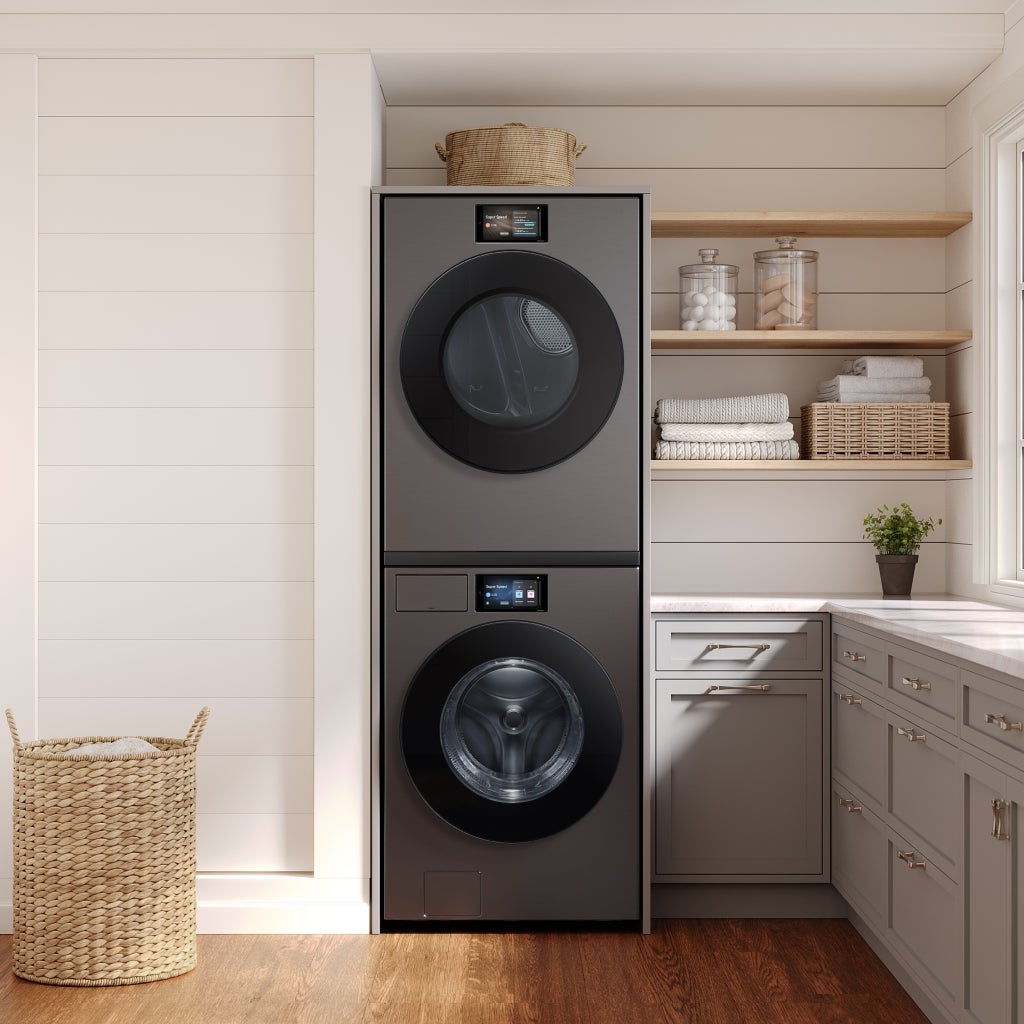
Let’s start by defining what “smart” means. Smart appliances—such as refrigerators, washers, ovens, thermostats and water heaters—connect to the internet. Typically, through Wi-Fi or Bluetooth, these appliances can be controlled using your smartphone, tablet or voice-assistant device. They are designed to optimize energy use and add convenience. Some smart devices can even learn your habits over time.
Are smart appliances right for your home? The answer depends on your preferences and types of appliances you already have. The better question might be: Are smart appliances right for you? Do you like the newest tech and typically keep your phone within arm’s reach? Do you enjoy the convenience of calling out commands to Alexa? Or do you prefer less technology or something in between? Personally, I’m somewhere in the middle.
Many smart appliances allow you to see how much energy each device consumes. That information can be helpful to better understand your energy habits and identify where energy may be going to waste.
Smart thermostats are a popular choice for managing energy use and reducing energy waste. Heating and cooling systems are typically a home’s biggest sources of energy consumption. According to Energy Star, you can save an average of 8% cost savings on heating and cooling with a smart thermostat. Savings depend on your climate, the type of system you have and how you currently use it.
Most energy savings from a smart thermostat come from automating temperature adjustments while you are sleeping or away from home. If you are already good at manually adjusting your thermostat, you likely won’t see big savings, but you might prefer the convenience of a programmable device you can control on an app.
Smart thermostats make it much easier to program your heating and cooling schedule. Some have geofencing features that automatically adjust settings based on how far your phone is from home.
Coming in with the second-highest energy user in most homes is the water heater. I like the smart controls on my heat pump water heater. Also called a hybrid water heater, it uses heat pump technology to move heat instead of using energy to create heat. That makes it two to three times more efficient than a conventional electric resistance water heater. You can save even more energy with smart heat pump water heaters.
I can monitor energy use, change settings if we need more hot water and check how much hot water is available before I jump in the shower after my kids have used it. The app notifies me when it’s time to clean the air filter on top of the unit. I can access that information without having to go down to the basement. I can even set it to vacation mode after I’ve left the house for a trip. Not all heat pump water heaters have smart technology, so be sure to check before buying.
My refrigerator is a different story. I like the ability to monitor energy use, but it can be annoying to have my phone notify me the door is open when I’m 3,000 miles away at a work conference. There are certain features that can only be controlled through the app, which I find frustrating. The next thing I know, my husband texts me to make more ice while he’s standing right next to it, and I’m on the other side of the country.
Monitoring energy use and making it easier to control your household devices are benefits of smart appliances. Before upgrading, do your research to understand how the features work and whether they benefit your lifestyle. Smart technology can help lower your energy use. But, in some cases, you’re better off improving your energy habits with the appliances already in your home.