
By Cathy Cash
Kinks in the supply chain caused by the COVID pandemic—remember the run on toilet paper?—may be in the rearview for regular consumers, but new bottlenecks in the flow of goods and services are challenging Nebraska’s public power districts and electric cooperatives to deliver affordable and reliable service. And the circumstances squeezing the supply chains for rural electric utilities are unlikely to ease in the foreseeable future.
Basically, we’re talking about a higher demand for electricity, but supply of equipment needed to maintain or build more power plants has not kept up. Then there’s a skilled labor shortage to get the job done and tariffs on imported materials. All these things add up to delayed energy projects at increased costs.
With all things digital from phones to thermostats, electricity use is up. To sustain the growing digital economy, huge data centers with appetites for electricity akin to that of a small city are sprouting up across rural America and rural electric utilities’ service territories. These centers soak up extreme amounts of power to serve the internet’s relentless demand for high-speed networking, data storage and AI (artificial intelligence) that make the World Wide Web user-friendly.
But even in this post-pandemic world, there still remains a scarcity of materials, equipment and workers to get new power generation sources built.
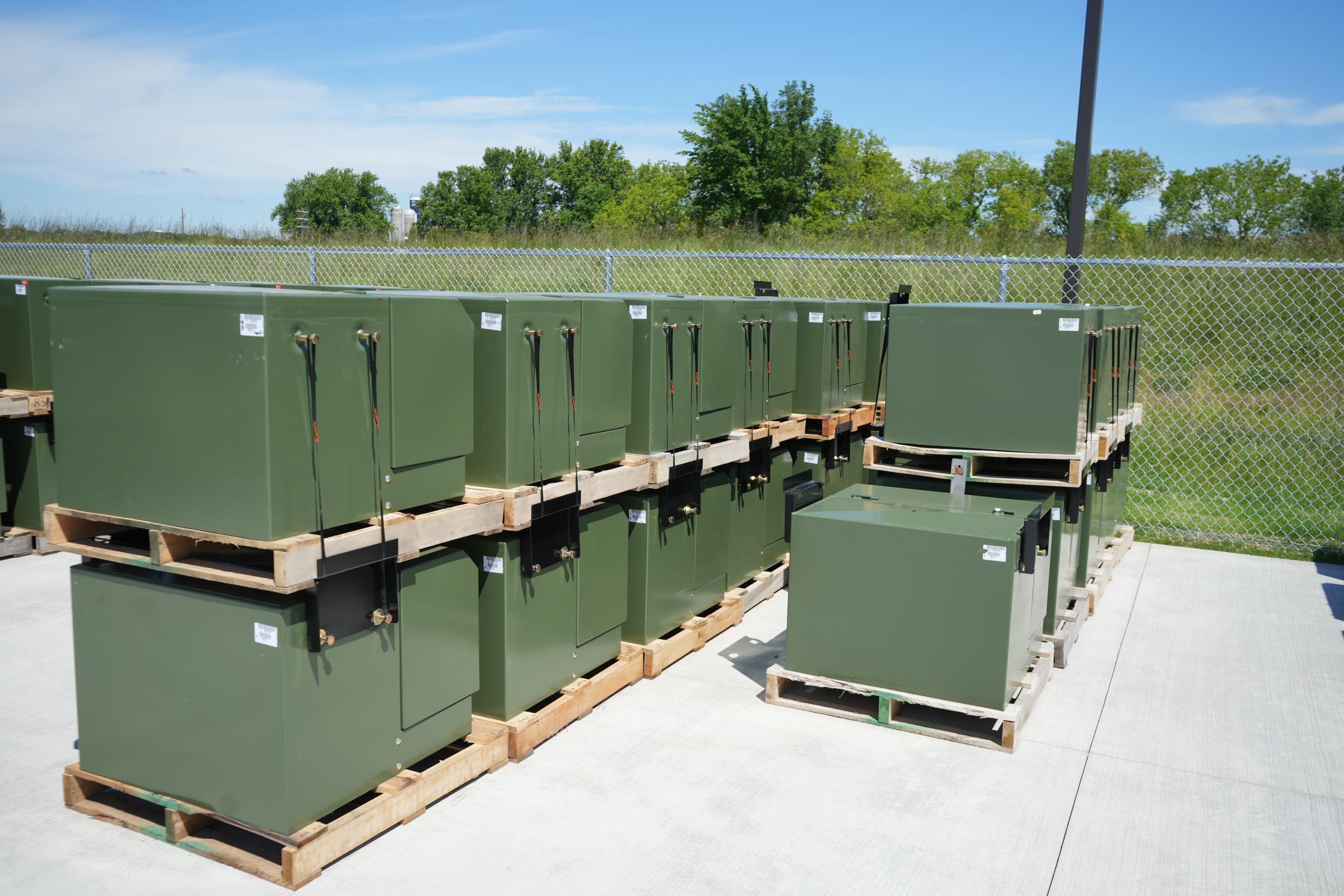
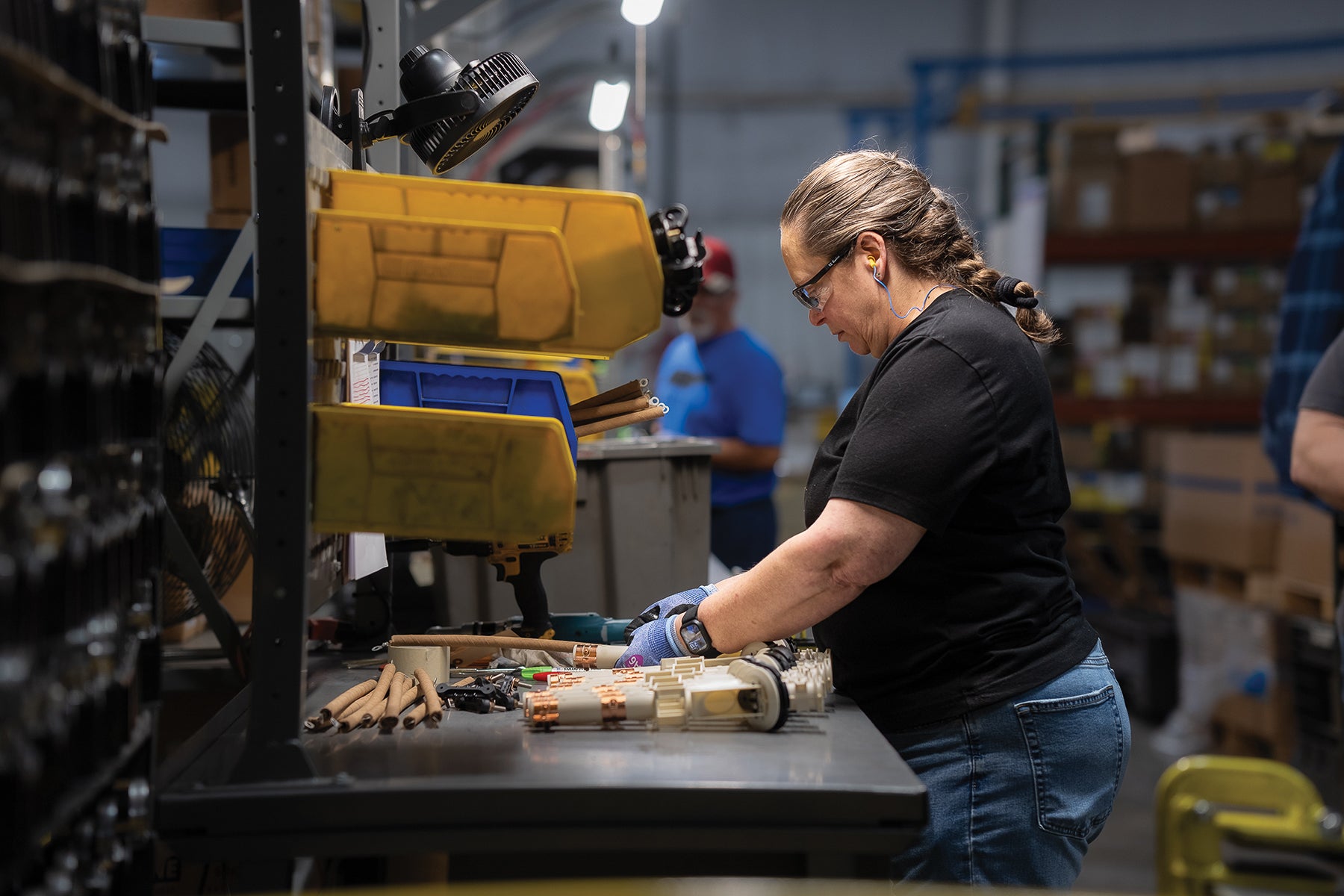
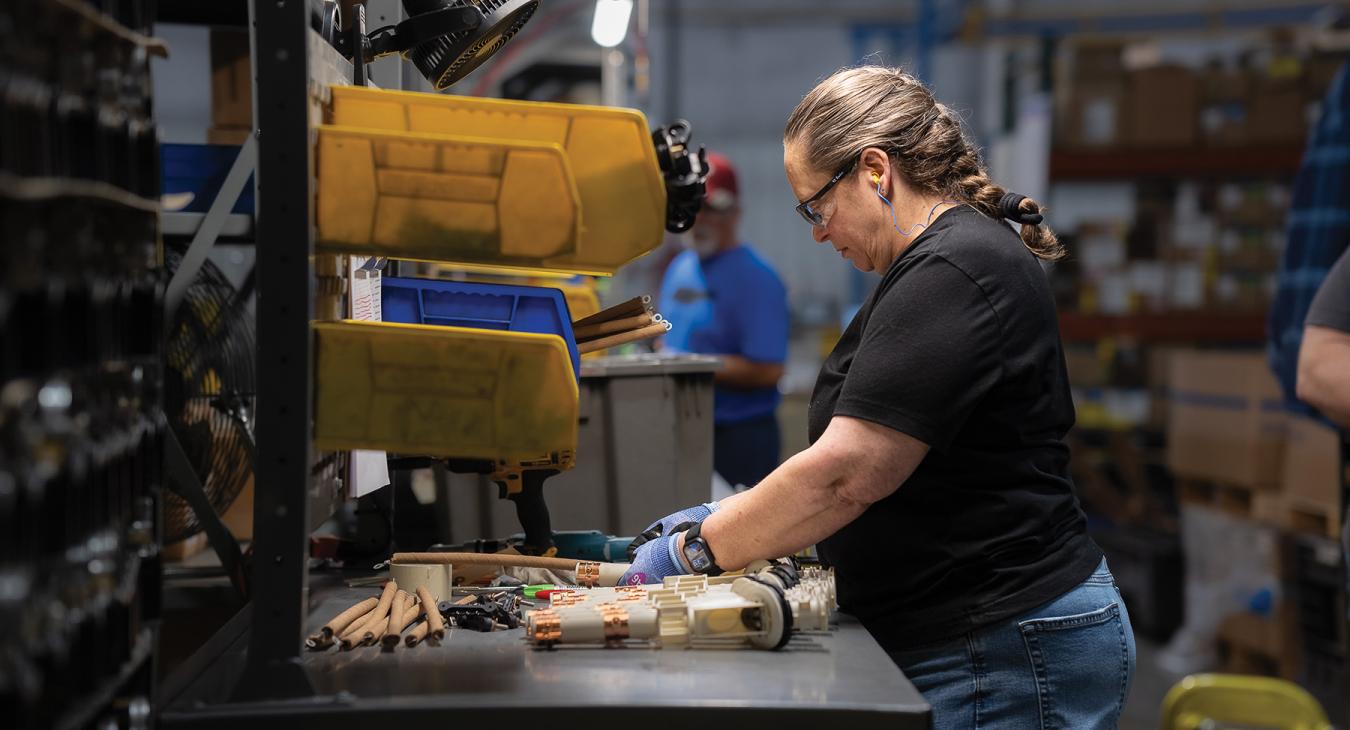
After the pandemic forced manufacturing to shutter for months in 2020, a lot of experienced employees retired or never even went back to their jobs making transformers and other equipment essential to distributing electricity to consumers. The supply of some transformers has never been fully replenished, and the lack of a competent workforce today makes that a constant game of catch-up.
U.S.-based engineering, procurement and construction firms are scrambling to meet work orders for new power projects as there is more demand today than they can keep up with, says Stephanie Crawford, regulatory affairs director at the National Rural Electric Cooperative Association.
Public power districts and electric co-ops are “finding that these firms cannot respond to requests, they’re charging price premiums or that planning for projects four years out is already ‘too late,’” she says.
As a result, equipment crucial for electricity projects—from new substations to power plant maintenance and outage repairs after storms hit—are on delay and coming in at much higher prices.
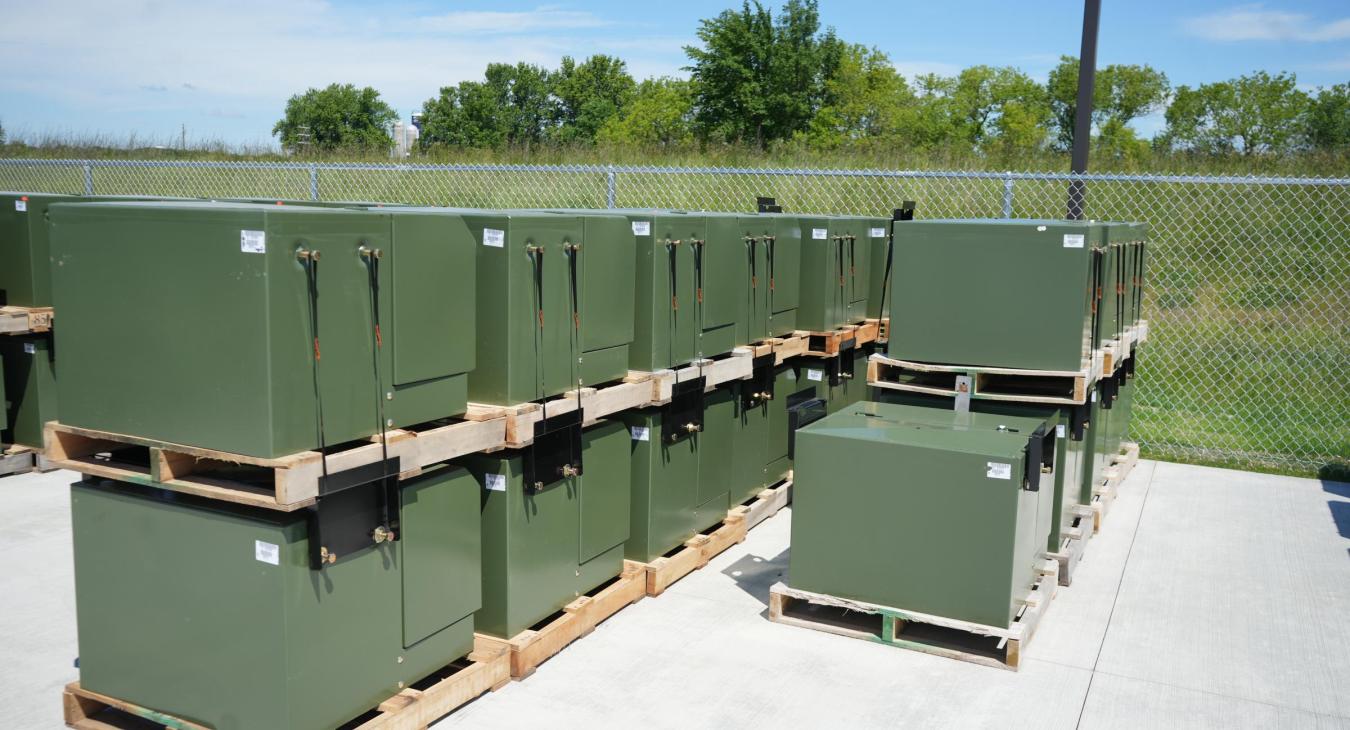
Rural electric utilities are seeing lag times of up to four years between an order for a transformer and its ultimate delivery. Prices are up 70% to 100% compared to 2020. Lead times for new gas turbines for a power plant can range from three to six years and cost 25% more than just three years ago.
According to one industry insider, a rural electric utility that spent $10 million on materials and equipment for electricity projects and maintenance in 2020 had to spend over $15.5 million in 2025 to keep up.
So, what is your rural electric utility doing to maintain reliable and affordable service?
Collaboration, which is baked into every utility’s DNA, is key. Public power districts and electric cooperatives are finding themselves working with equipment suppliers and contractors closer than ever and planning their orders at least a year in advance of construction to work out the snags of the current supply chain.
Knowing their exact inventory and the physical storage space also helps rural electric utilities keep necessary equipment on hand, materials flowing and projects as near to schedule as possible.
ERMCO, a subsidiary of Little Rock-based Arkansas Electric Cooperatives, makes distribution transformers with American-made steel at its facilities in Tennessee and Georgia and is not experiencing price spikes or delays. Still, the transformer market as a whole is not immune to price pressures impacting other manufacturers reliant on imported cores made with foreign steel.
The biggest challenge right now is “navigating uncertainty,” says ERMCO President and CEO Tim Mills.
“The best path forward is to develop a long-term sourcing strategy and work closely with suppliers to lock in future needs. We need to embrace a more collaborative model between utilities and their suppliers.”
By working as a team, rural electric utilities, manufacturers and their industry partners will be able to improve forecasting their equipment needs, stay ahead of potential demand changes and experience a smoother supply chain.