
By Miranda Boutelle
We had a heat pump in the house I grew up in. My mom hated it. She didn’t think it worked well, and the air coming from the vents never felt very warm. That was the 1980s in North Carolina. Heat pumps have come a long way since then.
Heat pump technology has improved drastically in recent years. They work better, use less energy and come in all sorts of options. There are now more than 23 million heat pumps installed in homes, up from 17 million in 2020, according to an RMI analysis.
One of the biggest improvements is efficiency. Efficiency is measured using the Seasonal Energy Efficiency Ratio, or SEER, for cooling and Heating Seasonal Performance Factor, or HSPF, for heating. Higher ratings generally indicate greater efficiency. Ratings have gone from 6 or less SEER and below 5 HSPF in the ’80s to more than 20 SEER and HSPF ratings of 10 or higher. These modern versions are not my momma’s heat pumps.
Instead of creating heat through electric resistance, as baseboard heating and ovens do, or by burning fuels, such as natural gas, propane, kerosene or wood, heat pump technology works by moving warm air. Heat pumps can provide heating and cooling.
Heat pumps have indoor and outdoor components connected by a line set that creates a loop for refrigerant to flow. They use electricity to power pumps and compressors that move, expand or compress the refrigerant. By changing the refrigerant’s pressure and temperature, the system transfers heat where we want it—indoors for heating or outdoors for cooling.
In addition to increases in efficiency, there are now cold-climate heat pumps on the market ideal for northern states and Alaska. Standard heat pumps lose heating capacity and efficiency as outdoor temperatures fall, although their operating limits vary by model. Cold-climate systems are designed to function efficiently below freezing temperatures, down to minus 15 degrees F or lower.
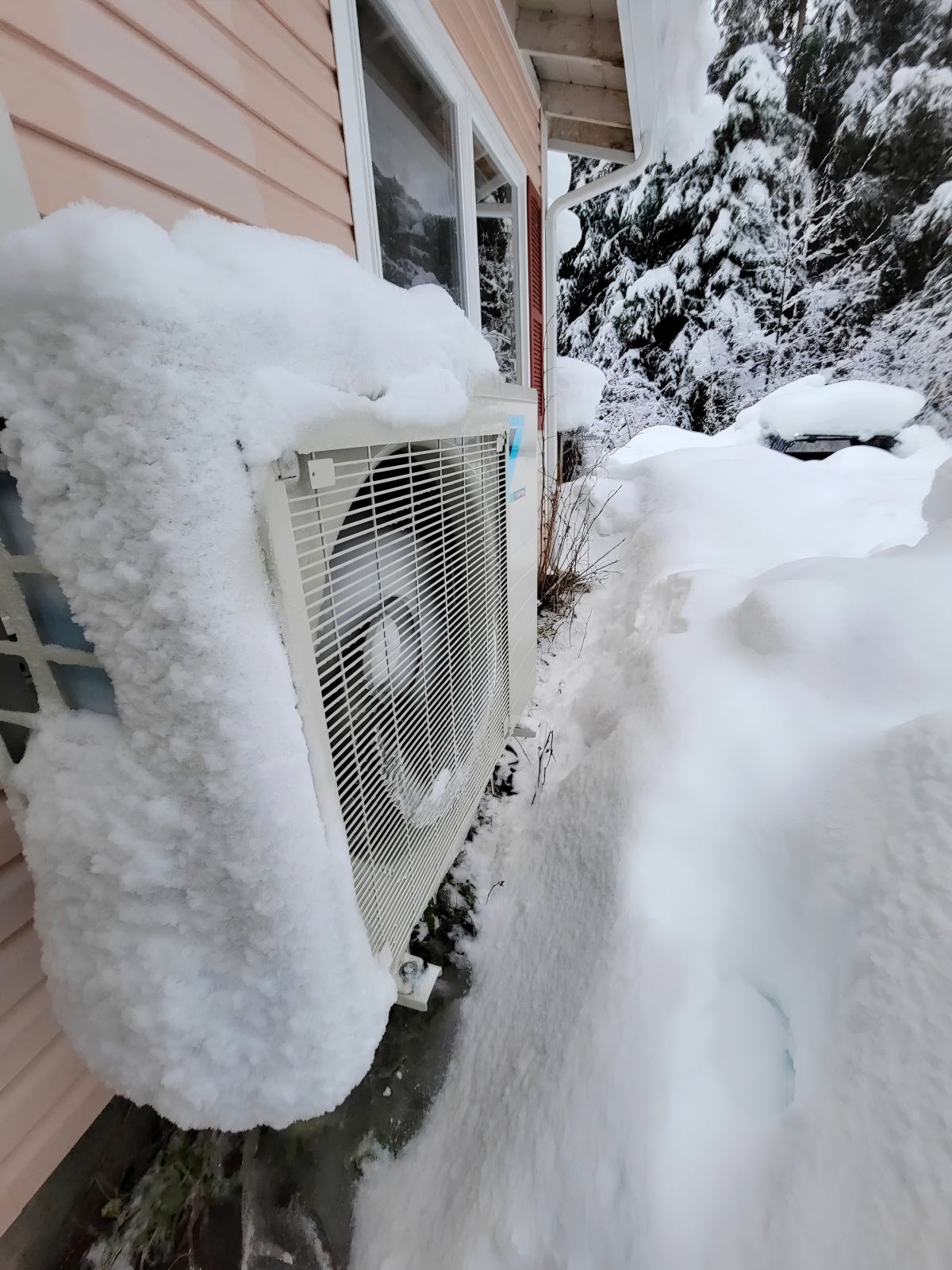
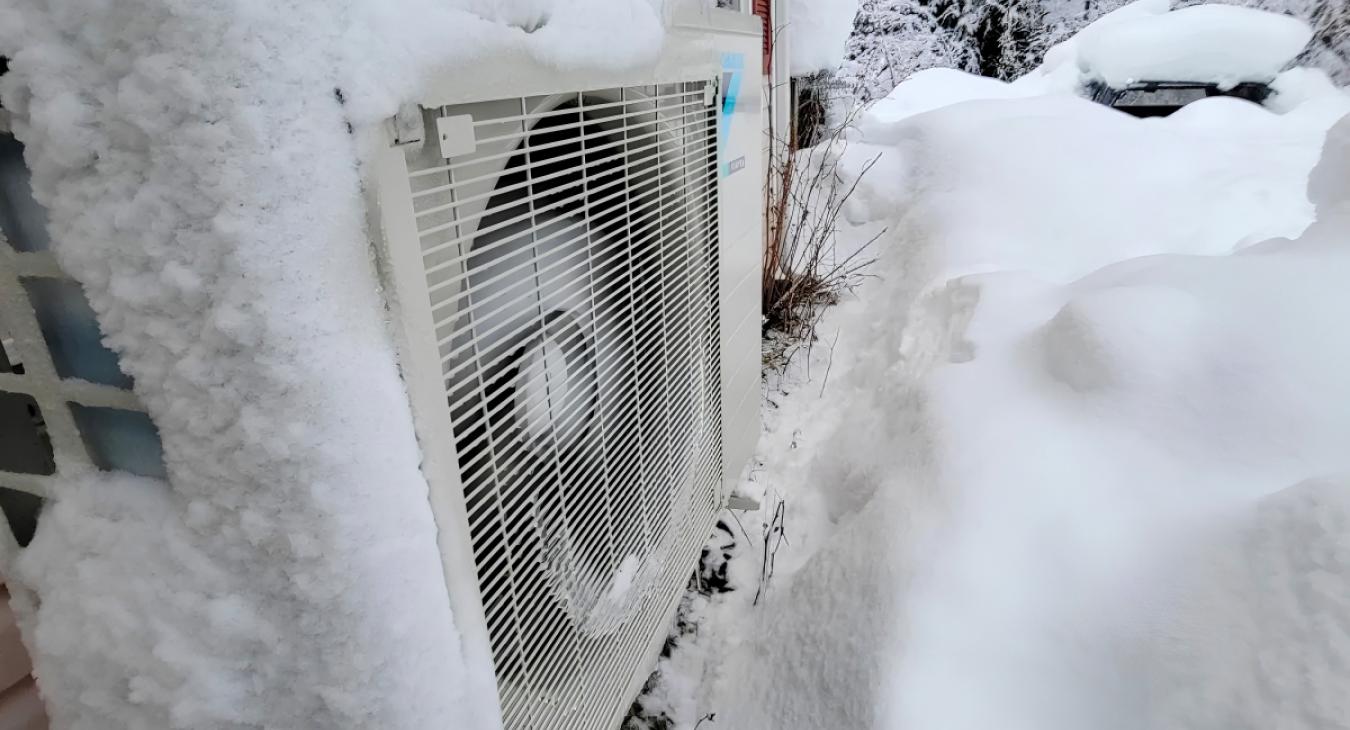
Ductless, or mini-split, and ducted options are available. Cold-climate heat pumps use inverter technology, which allows for variable speed compressors to ramp up or down, instead of turning on or off. They also have low-temperature refrigerant and are typically equipped with improved defrost cycles that prevent ice from building up on the outdoor unit.
Depending on the climate, the home and the system’s design, a cold-climate heat pump may need a supplemental heat source. That said, in a cold climate, it’s also a good idea to have some sort of backup, such as a wood stove, that will function during power outages.
If you’re not in a cold climate, a standard heat pump might be a good choice for your home. Standard systems usually include a supplemental heat source, either gas or electric. Supplemental heat may operate when outdoor temperatures fall below a preset temperature, when the heat pump cannot meet the heating demand or when the thermostat setting is raised quickly.
This can raise electric bills if your backup heat is electric resistance. Make sure you understand what type of supplemental heat your system has and how it is activated.
This can affect more than just your home. A cold snap in your community can cause the electric backup to kick in at the same time in thousands of homes, putting strain on the electric grid and potentially requiring the utility to buy more expensive power to meet the demand.
During extreme weather, adjusting the thermostat just a few degrees closer to the outdoor temperature can reduce demand on the grid and help your electric cooperative without sacrificing the safety or comfort of your home.
Don’t forget maintenance. Make sure there’s space around the outdoor unit and it’s free of leaves, snow and debris. A heat pump’s indoor and outdoor units should be cleaned annually. Check the filter on the indoor handler regularly and clean or replace it as needed.