
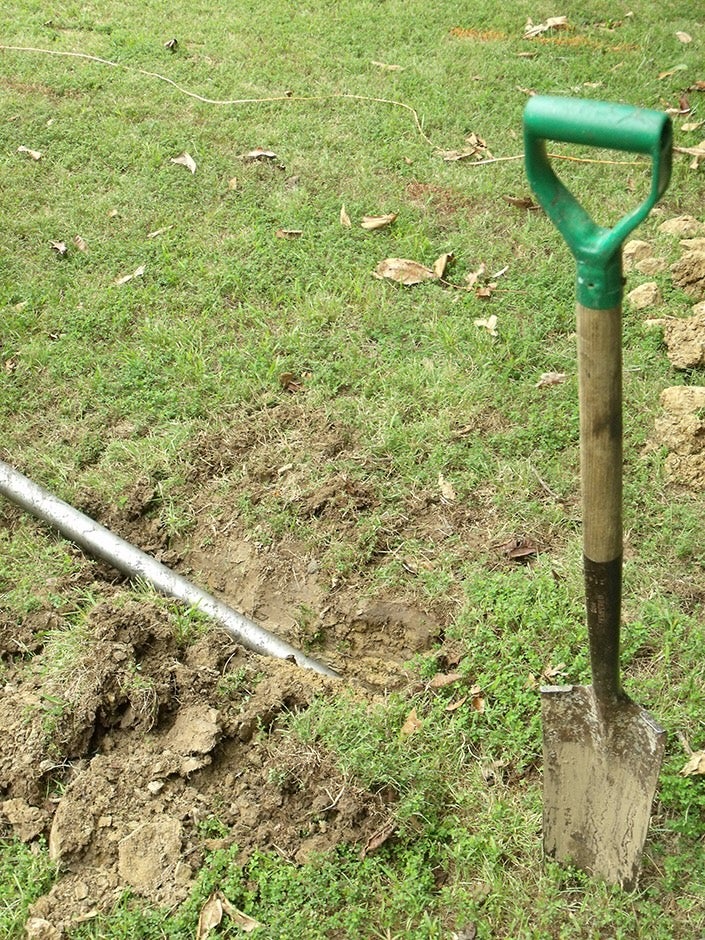
If you had a new fence to install at home, you would likely research property lines, ordinances, and fence types. Then you would get to the point of purchasing, prepping, and assembling materials to get work started. However, you would still not be ready to dig. There is a very important step missing—calling 811.
811 is a free service that will have buried public utilities marked on your property so that you can safely dig around them. Just call 811, or submit an online request at call811.com at least a few business days before you plan to dig.
Digging without having utility lines marked can result in damage to gas, electric, communications, water, and sewer systems. Checking the safety of a location before you begin digging is important for both professionals and homeowners. It helps prevent accidents on projects of all sizes and scopes.
When contacting 811, make sure that you have clearly identified your planned digging area and outline it in white paint if possible. The service uses ground-penetrating radar to search for and locate the buried public utility lines that are on your property. Lines will be marked with flags or paint. The color indicates the type of utility located. After the area has been marked, the CGA reports that you have less than 1 percent chance of causing damage if you respect the markings.
If you have any private utilities, you will need to hire a private utility locator. Some examples of private utilities include: underground sprinkler system, invisible fences, data communication systems, private water systems, or gas piping to a garage.
Even if you have had an area marked before, call to have the area checked again. Natural changes to the soil, such as erosion or root growth, can alter the depth and location of buried lines. Once all buried lines have been marked, respect the boundaries, and dig carefully.
Keep yourself from having to dig out of trouble, and call 811 before your digging project begins. For more safety information, visit SafeElectricity.org.