
By Michael Leitman
The electric grid is the backbone of modern life. It powers homes, businesses and institutions, including hospitals and other critical infrastructure. As the grid becomes more interconnected and digitized, it also faces growing threats ranging from cyberattacks to extreme weather events and wildfires.
Keeping the grid reliable and resilient is essential, and public power districts and electric cooperatives are actively involved in national efforts to secure the electric grid.
Electric cooperatives, other utilities and grid operators follow standards set by organizations like the North American Electric Reliability Corporation (NERC), which mandate protections for critical infrastructure, including:
• Cybersecurity Measures: Firewalls, encryption and multi-factor authentication help prevent unauthorized access to control systems. Regular software updates and vulnerability scans reduce the risk of exploitation.
• Physical Security: Electric substations and control centers are protected with fencing, surveillance and restricted access. Physical breaches or attacks can be just as damaging as cyberattacks.
• Redundancy and Resilience: Backup systems and redundant lines ensure power can be rerouted during outages caused by natural events or deliberate attacks. This minimizes disruption and speeds recovery.
Each of these standards creates layers of defense, making it harder for any single failure to compromise the entire grid.
As threats evolve, so do the tools to combat them. New tools including drones, remote sensors and advanced controls allow cooperatives to be more effective in monitoring and responding to a variety of grid threats.
Automated sensors and controls allow real-time visibility across the grid and enable rapid response to emergency conditions, either by a human operator or automated settings. Artificial intelligence (AI) can be a powerful technology to enhance these other tools, especially in sifting through large amounts of data or imagery to detect irregularities or patterns. But to be effective, AI tools must be well designed, properly trained and incorporated into cybersecurity protections.
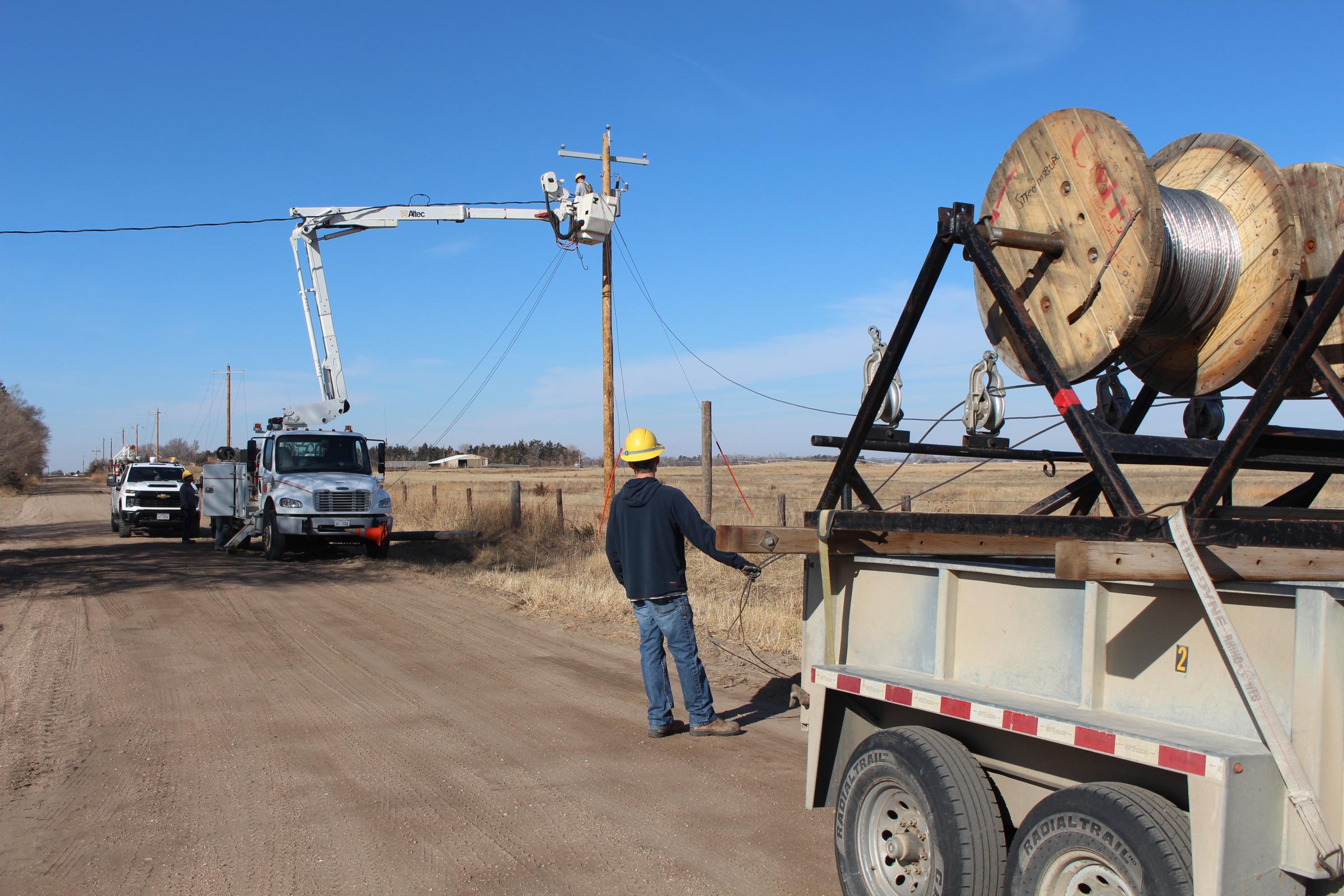
Public power districts and electric co-ops are also making investments to harden their local systems against the growing threat of wildfires, extreme weather events and other natural hazards. These investments include identifying vulnerable parts of the grid, replacing wooden poles with metal or cement poles, burying lines underground or adding enhanced technologies that allow greater visibility and control to anticipate and respond to emergency conditions.
Planning for the unexpected is critical.
Utilities and government agencies conduct large-scale exercises to test their readiness for emergencies. One example is GridEx, a biennial event organized by NERC that simulates cyber and physical attacks on the electric grid. Thousands of participants, from utilities to law enforcement, work together to identify weaknesses and improve coordination.
These drills serve two purposes. They expose vulnerabilities before real crises occur, and they build relationships among key stakeholders. In an actual emergency, rapid communication and collaboration can make the difference between a minor disruption and a widespread outage.
Beyond planning exercises like GridEx, rural electric utilities also create plans and conduct trainings to practice their responses to cyber and physical attacks and natural hazards. For example, as wildfires have become more intense and more common over a larger portion of the U.S., many co-ops are adopting wildfire mitigation plans in conjunction with grid hardening efforts.
So, why does all this matter? A secure electric grid isn’t just about keeping the lights on; it’s about protecting public health, economic stability and national security in the communities we serve.
By combining robust industry standards, rigorous training and cutting-edge technology, rural electric utilities are helping to build a grid that is not only reliable but resilient today and in the future.