
By Jennah Denney
Not long ago, when people talked about “batteries,” they meant the kind that powered flashlights, phones or watches. Today, batteries are transforming the way we power our homes, farms and even the electric grid that keeps our lights on. Across the country, battery energy storage is helping public power districts and electric cooperatives keep power more reliable, affordable and resilient.
The journey began with early rechargeable batteries like lead-acid models, which were used in vehicles, tractors and backup systems for lighting or telephones. These systems were bulky, short-lived and required frequent maintenance. Later, nickel-cadmium and nickel-metal hydride batteries became popular in cordless tools, early electronics and hybrid vehicles. While they marked a step forward, they remained expensive and weren’t well suited for large-scale energy applications.
A major turning point came with the development of lithium-ion batteries. These are lighter, longer lasting and capable of storing more energy in less space. Initially used in laptops and mobile phones, lithium-ion technology now powers most electric vehicles and many of the grid-scale systems that can keep thousands of homes running for hours. And innovation hasn’t stopped there. Researchers are now exploring solid-state and sodium-ion batteries, which use safer, more abundant materials and promise to make battery energy storage even more affordable and accessible. Each advancement brings batteries closer to becoming a foundational part of everyday life.
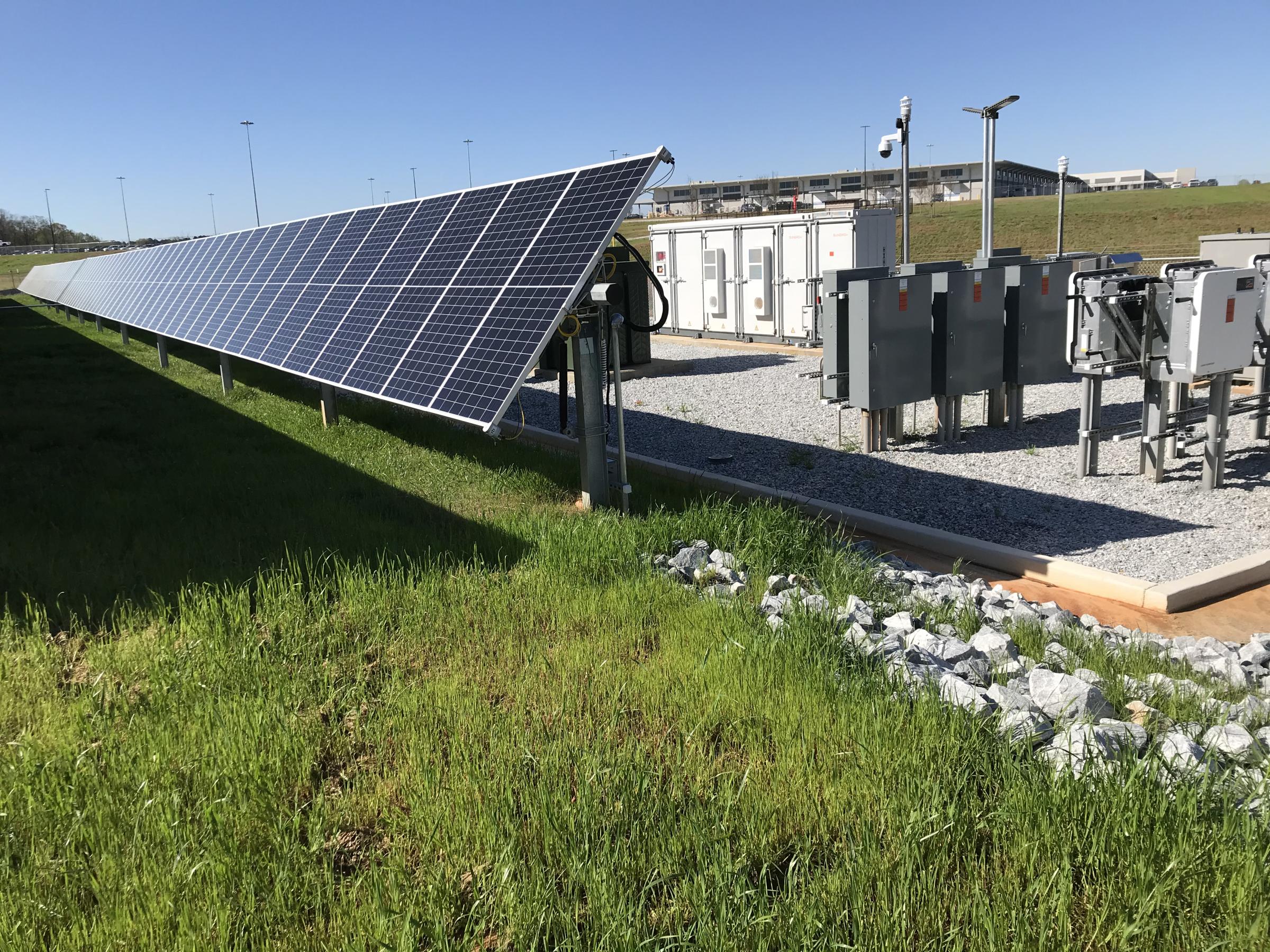
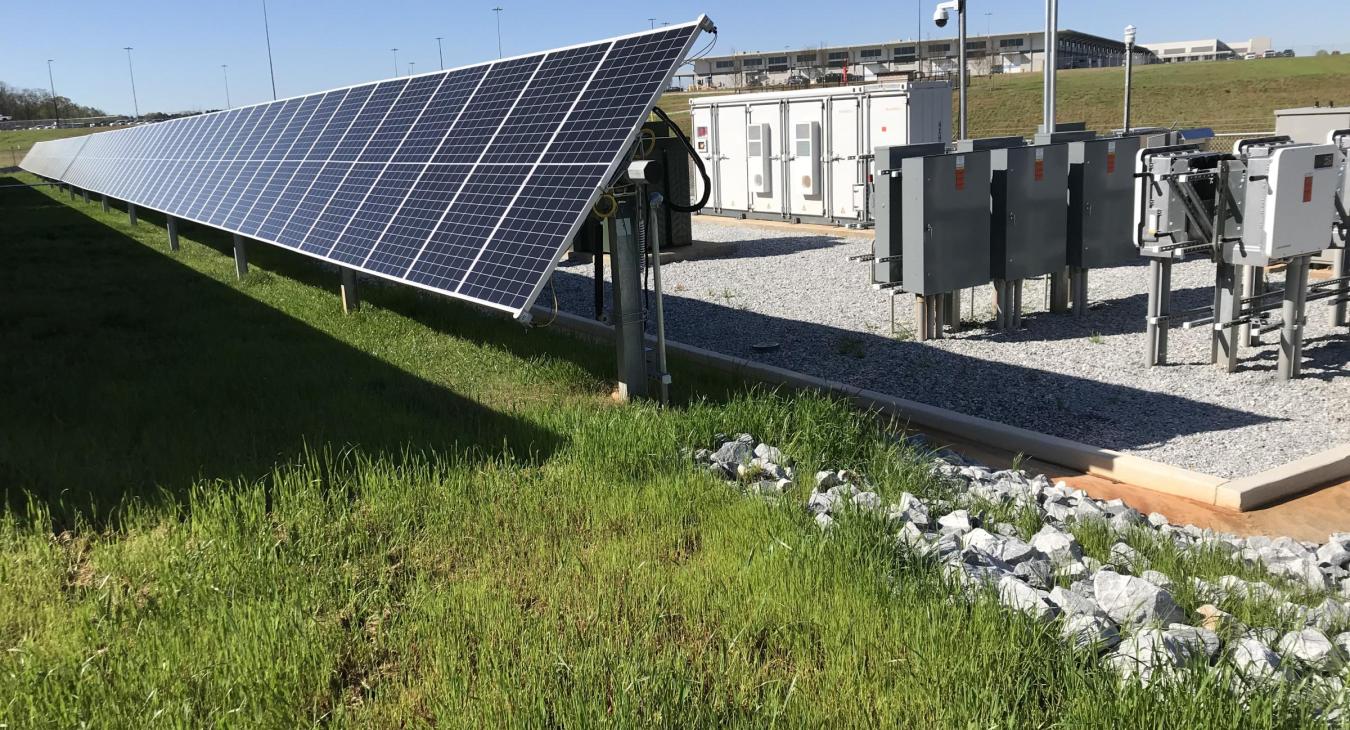
Across the country, public power districts and electric co-ops are helping to deploy battery energy storage systems. Batteries can store excess electricity from renewable sources like solar and wind, then discharge it when demand rises, which can help balance supply and demand and improve grid stability. They also provide an alternative to traditional infrastructure upgrades. In areas where energy use is growing, a strategically placed battery can handle short-term peaks in demand, reducing the need for new substations or extended power lines. This can lower capital costs and reduce construction timelines.
More than 70 rural electric utilities in 24 states have installed or are testing battery energy storage systems, according to NRECA. Most systems currently in use are designed to deliver power for two to eight hours. However, long-duration energy storage (LDES) technologies are emerging that can store energy for 10 hours or more, and in some cases, multiple days.
These battery storage systems could help utilities manage extended periods of low renewable generation or respond to prolonged grid stress events, especially in remote or weather-sensitive areas.
Battery storage may also offer benefits to rural electric utility consumer-members. Residential systems can provide backup power during outages, keeping essential equipment like lights, refrigerators and medical devices running. For homes with rooftop solar, batteries allow excess energy to be stored during the day and used at night. Some rural electric utilities offer time-of-use rates, where electricity costs less during off-peak hours. Batteries can store low-cost energy and use it later, helping reduce monthly bills.
Your public power district or electric co-op can assist in evaluating system size, installation requirements and available incentives or rate options.
Battery innovation is also being driven by the growth of electric vehicles. Manufacturers are working to improve battery performance, extend battery lifespan, reduce charging time and lower costs. These improvements are influencing the broader energy storage market. Some EVs now include vehicle-to-home (V2H) or vehicle-to-grid (V2G) capabilities, allowing a car to supply power to a home during an outage.
From early lead-acid batteries to today’s advanced lithium-ion and emerging long-duration systems, battery energy storage has evolved into a practical tool for modern power systems.
As the costs of this technology comes down, batteries could begin to help public power districts and electric co-ops improve reliability, integrate renewable energy and manage infrastructure costs. For electric utility consumer-members, batteries offer greater control over energy use and added resilience during outages. Together, these developments can contribute to a more flexible and dependable electric system that supports entire communities.